
Islam Is More Than the Name of a Religion
Islam is one of the world’s major religions, but the word “Islam” tells us something important about the faith itself. In Arabic, Islam carries the meaning of submission and surrender to Allah, the one true God. It is also connected with the idea of peace. In simple words, Islam teaches a person to willingly follow Allah, trust His guidance, and try to live in a way that pleases Him.
A person who follows Islam is called a Muslim. The word Muslim means a person who submits to Allah. Islam is not named after a person, a country, or a tribe. Muslims do not worship Prophet Muhammad ﷺ. They worship Allah alone and believe that Muhammad ﷺ was His final prophet and messenger.
One God Is at the Center of Islam
The most important belief in Islam is that there is only one God worthy of worship. In Arabic, God is called Allah. This belief is known as Tawheed, or the oneness of Allah. Muslims believe that Allah created the heavens, the earth, human beings, and everything else that exists. He has no partner, no child, and no equal.
This belief is summed up in the Shahada, the testimony of faith. A Muslim believes and declares that no one has the right to be worshipped except Allah and that Muhammad is the Messenger of Allah. This short statement is the starting point of Muslim faith and the first of the Five Pillars of Islam.
Islam Teaches the Same Core Message of the Prophets
According to Islamic belief, the message of worshipping one God did not begin with Prophet Muhammad ﷺ. Muslims believe that Allah sent prophets throughout human history. They include Adam, Noah, Abraham, Moses, Jesus, and many others, peace be upon them all.
Their times, communities, and laws were not always the same, but their central call was the same: worship the one true God and live a righteous life. Muslims therefore respect and believe in all of Allah’s prophets. In Islam, Muhammad ﷺ is the last prophet in this long line. The Qur’an describes him as the final prophet, and Muslims believe the message revealed to him is for humanity.
How the Final Message Came to Prophet Muhammad ﷺ
Prophet Muhammad ﷺ was born in Makkah around 570 CE. When he was about forty years old, he received the first revelation from Allah through the Angel Jibril, or Gabriel. This happened around 610 CE. The revelations continued over about twenty-three years and became the Qur’an.
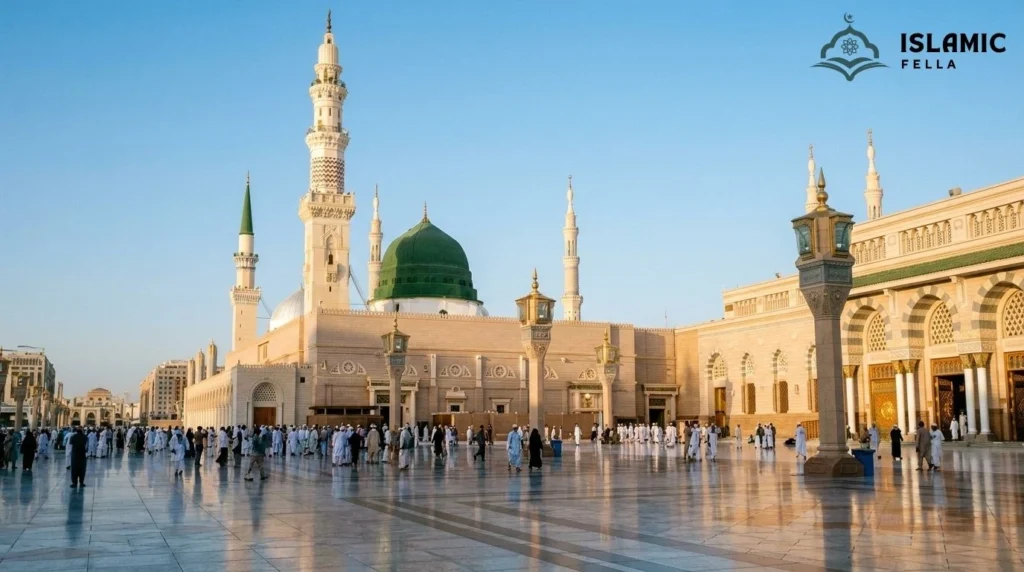
At first, the Prophet ﷺ called people in Makkah to worship Allah alone, leave idol worship, care for the poor, speak the truth, and prepare for the Day of Judgment. Many people opposed him and his followers. In 622 CE, he and other Muslims migrated from Makkah to Madinah. This migration is called the Hijrah and later became the starting point of the Islamic calendar.
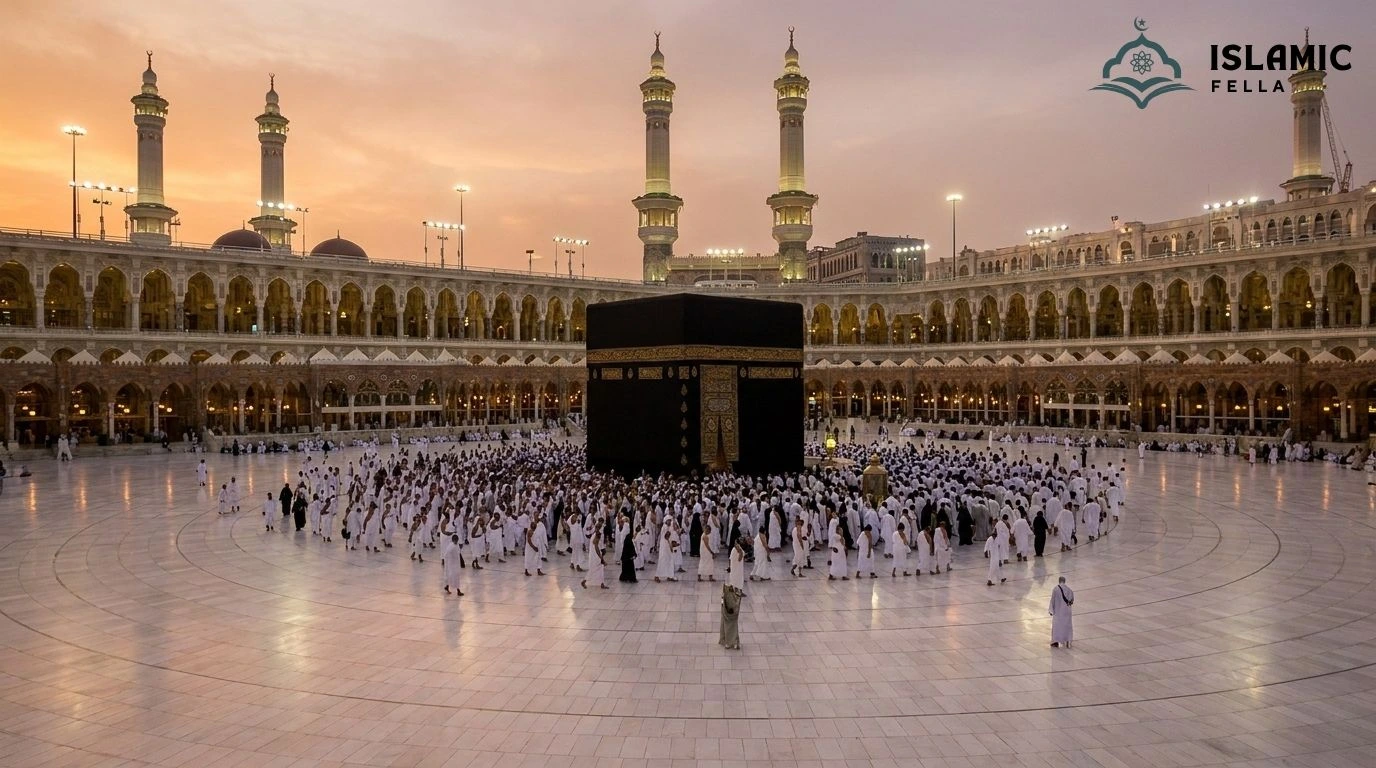
Over the following years, the Muslim community grew. The Prophet ﷺ returned to Makkah, and the Ka‘bah was restored as a place for the worship of Allah alone. He died in Madinah in 632 CE. Muslims believe his mission was complete, while the Qur’an and his authentic teachings continued to guide the Muslim community.
What Does Islam Ask a Muslim to Do?
Islam is not only a set of ideas. It joins belief with worship, character, and daily actions. The Five Pillars give Muslim life a basic structure: the Shahada, five daily prayers, Zakat for those who meet its conditions, fasting in Ramadan, and Hajj for those who are able to make the journey.
Islam also teaches honesty, kindness, patience, justice, mercy, respect for parents, care for neighbors, and help for people in need. Worship is important, but good character is also part of religious life. The Prophet ﷺ taught that faith should change the way a person treats other people.
Muslims are also taught to avoid lying, cheating, cruelty, injustice, and the worship of anything besides Allah. When a Muslim makes a mistake, Islam teaches repentance: admit the wrong, ask Allah for forgiveness, leave the sin, and try to do better.
The Qur’an and Sunnah Guide Muslim Life
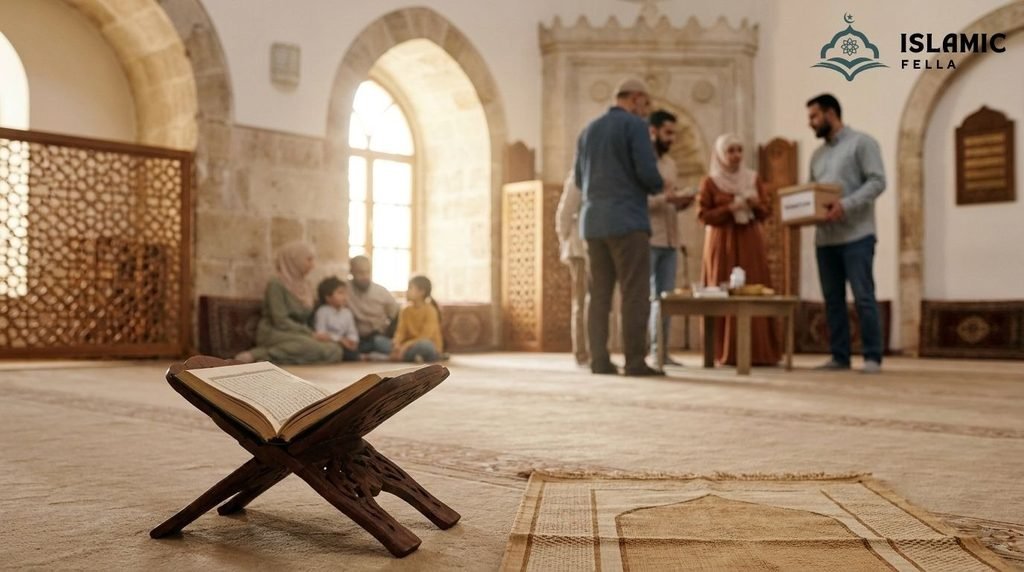
The Qur’an is the holy book of Islam. Muslims believe it is the word of Allah revealed to Prophet Muhammad ﷺ through Angel Jibril. It teaches about Allah, the prophets, worship, family life, morals, justice, the Hereafter, and many other parts of life.
Muslims also follow the Sunnah, meaning the teachings, actions, and approved practices of Prophet Muhammad ﷺ. Reports about his words and actions are called hadith. Muslim scholars developed detailed methods to study hadith and judge which reports were reliable. Together, the Qur’an and authentic Sunnah form the main foundation for understanding Islamic belief and practice.
What Is the Main Purpose of Life in Islam?
Islam teaches that human life has a purpose. People were not created only to earn money, eat, work, and then die. The Qur’an teaches that human beings were created to worship Allah. Worship in Islam includes prayer and fasting, but it is wider than that. A good action done sincerely for Allah can also become an act of worship.
A Muslim therefore tries to remember Allah while living a normal human life: studying, working, raising a family, helping others, and building a community. Islam teaches balance between this life and the next life. Muslims enjoy lawful blessings in the world, but they also remember that they will return to Allah and be accountable for their choices.
Islam in One Simple Idea
If Islam had to be explained in one simple idea, it would be this: know your Creator, worship Him alone, follow His guidance, and live with faith and good character. Islam connects belief with action and personal worship with responsibility toward other people.
For someone learning about Islam for the first time, there is no need to understand everything in one day. Start with the basics: who Allah is, who Prophet Muhammad ﷺ is, what the Qur’an teaches, and why Muslims pray and worship. These foundations make the rest of Islam much easier to understand.